Formal Gown Sewing Patterns
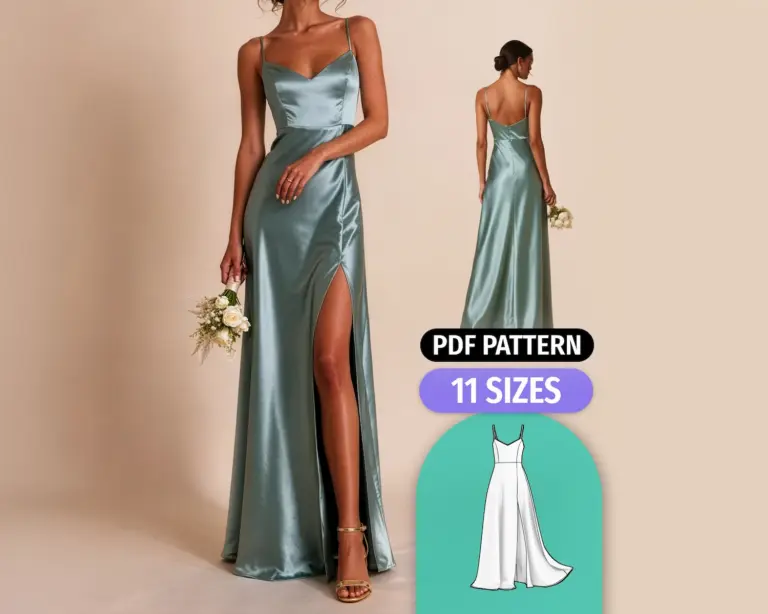
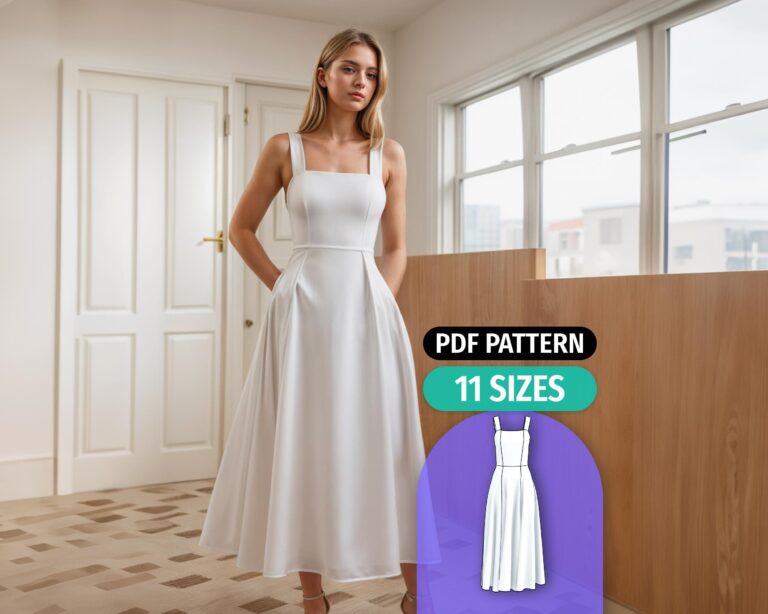
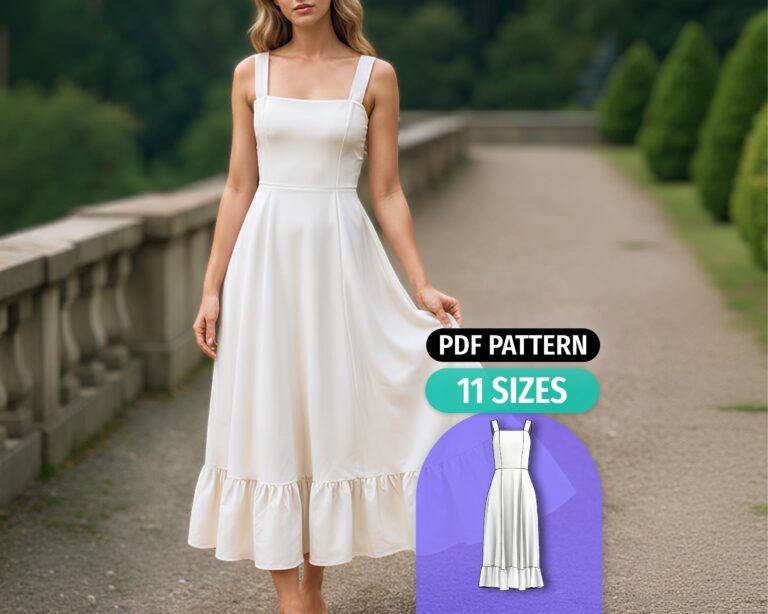
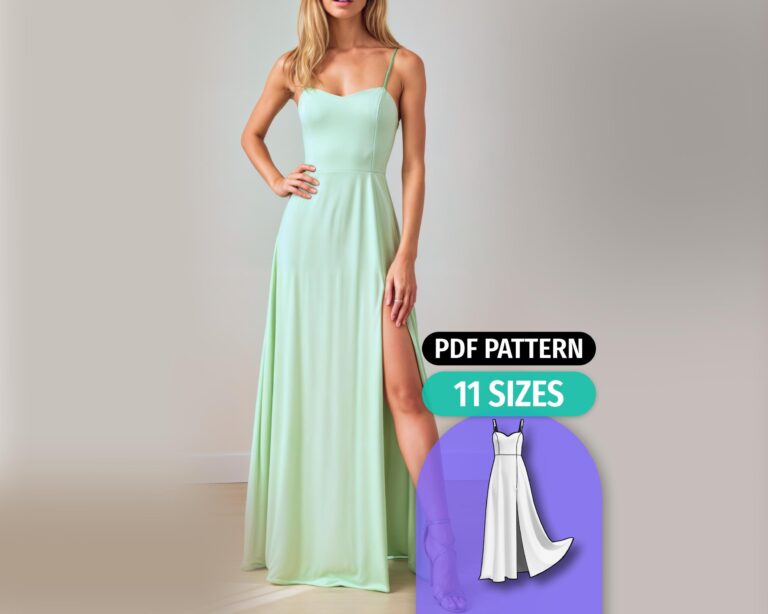
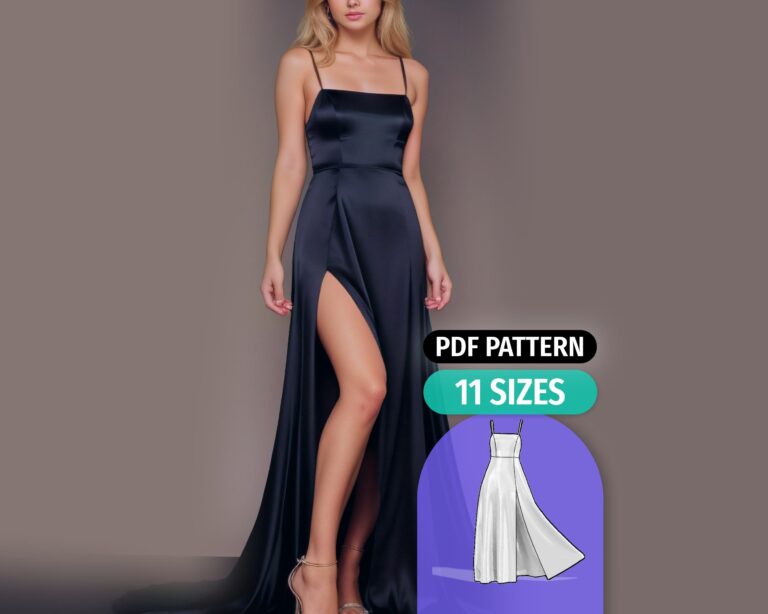
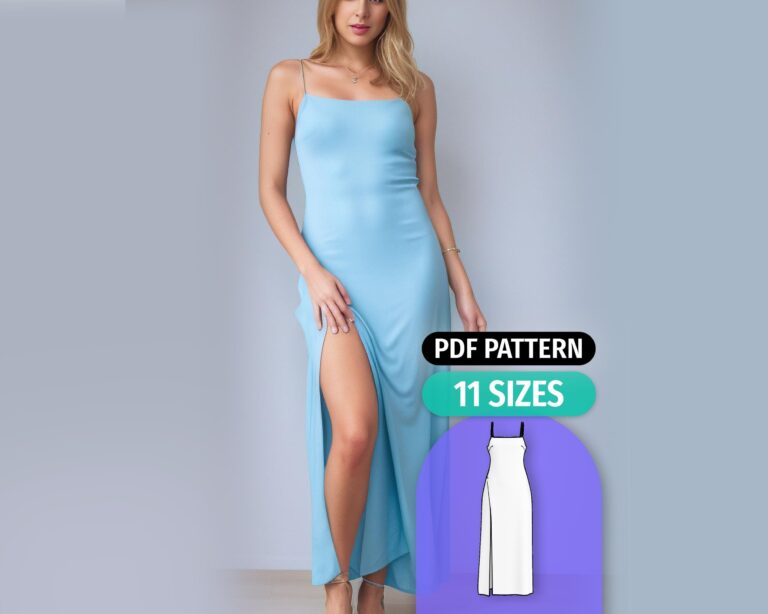
About Our Formal Gown Sewing Patterns
Formal gown sewing patterns can create elegant silhouettes designed for weddings, eveningwear, and special occasions depending on the fabric, construction, and overall shape of the garment.
Why are satin fabrics commonly used in formal dress sewing patterns?
Satin fabrics are commonly used in formal dress sewing patterns because they can emphasize drape, shine, and movement depending on the silhouette and construction of the garment.
What makes bridesmaid dress sewing patterns different from everyday dresses?
Bridesmaid dress sewing patterns often use more elevated silhouettes, longer lengths, draping details, or occasion-focused styling depending on the overall design of the garment.
Why do many formal dress sewing patterns use longer silhouettes?
Many formal dress sewing patterns use longer silhouettes because maxi and floor-length designs can create a more dramatic and elevated appearance depending on the fabric and construction of the garment.
Do formal dress sewing patterns usually require lining?
Some formal dress sewing patterns may use lining depending on the fabric, opacity, drape, and overall finish desired for the garment.
Why do many bridal gown sewing patterns use draped fabrics?
Yes. Many formal dress sewing patterns can be styled for different types of occasionwear depending on the fabric, silhouette, and finishing details used in the garment.
Can formal dress sewing patterns work for bridesmaid, prom, or evening outfits?
Many bridal gown sewing patterns use draped fabrics like satin because softer movement and fluid shaping can create a more elegant and elevated silhouette depending on the construction of the garment.